
Why Presentation Matters for Awards: 2026 Guide

TL;DR:
- Effective award presentation creates long-lasting emotional impact by engaging the recipient’s sensory and psychological responses. Well-designed packaging, deliberate handovers, and visual coherence enhance recognition’s significance and reinforce organizational values. Prioritizing presentation quality boosts engagement, loyalty, and organizational culture over time.
Presentation quality in awards is the single most powerful factor determining whether recognition creates lasting emotional impact or fades within days. This is why presentation matters for awards far beyond aesthetics. The moment a recipient holds a well-crafted certificate folder or a weighty, purposefully designed trophy, the brain’s sensory reward system activates in ways that a digital notification or a plain paper printout simply cannot replicate. Organizations and educators who treat presentation as a core element of recognition design, rather than a finishing detail, consistently produce stronger engagement, deeper loyalty, and more memorable ceremonies. This guide explains the psychology, design principles, and practical steps that make the difference.
Why presentation matters for awards: the psychological foundation
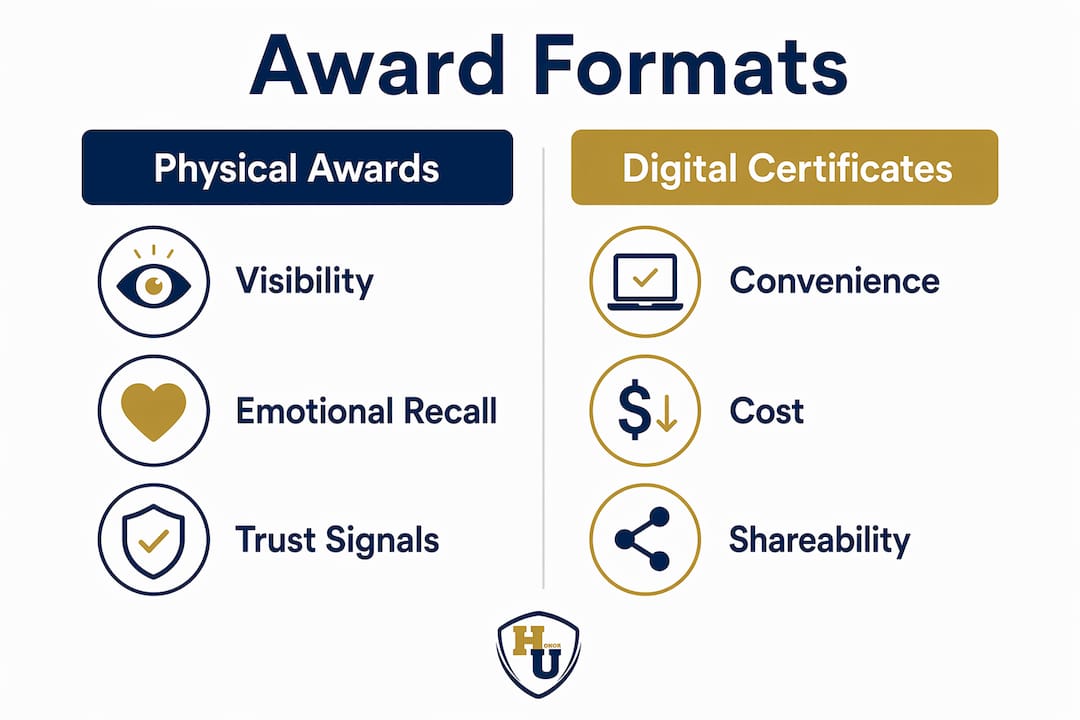
Physical awards activate the brain’s sensory reward system more effectively than digital certificates. PDF certificates buried in downloads folders produce low emotional recall, while a tangible award displayed on a desk or wall retains visibility and meaning for years. That visibility is not incidental. It is a daily reinforcement of the achievement, a cue that sustains motivation and identity.
The Incentive Research Foundation identifies a critical threat to recognition programs: hedonic adaptation. This is the brain’s tendency to normalize rewards over time, reducing their emotional charge. Cognitive pitfalls in recognition design show that non-cash rewards with salient, emotionally resonant presentation combat this adaptation far more effectively than cash equivalents or generic gifts. The implication is direct. Presentation quality is not decorative. It is a psychological tool that determines whether recognition sustains engagement or disappears from memory.
Dopamine response also plays a role. The anticipation of receiving something meaningful, the physical act of unwrapping or opening a presentation folder, and the visual weight of a well-designed award all contribute to a stronger neurological reward signal. Organizations that understand this design their entire award experience around these moments, not just the object itself.
Pro Tip: Design the handover moment as deliberately as you design the award itself. The physical act of receiving, including the weight, the texture, and the reveal, shapes how the recipient remembers the recognition.
Key factors that determine psychological impact include:
- Tangibility: Physical awards outlast digital acknowledgments in emotional memory.
- Sensory engagement: Weight, texture, and material quality signal value before the recipient reads a single word.
- Anticipation: A dignified reveal moment, created through packaging, amplifies the dopamine response.
- Visibility: Awards displayed in workspaces or homes provide ongoing reinforcement of the achievement.
What makes a presentation feel significant and memorable?
Significance in award design emerges from restraint and physical substance, not complexity or excess. An award’s form, balance, and brand integration create what designers call “inevitability,” a sense that the object could not look any other way. That quality lends meaning that no amount of embellishment can manufacture.

Material choice communicates value before the recipient consciously processes it. Crystal carries a different message than acrylic. A heavy, matte-finish certificate folder signals permanence. A thin, glossy sleeve signals disposability. These are not subtle distinctions. Recipients feel them immediately, and those feelings attach to the organization that presented the award.
Coherence between the award and the institution’s brand identity amplifies significance. When the foil color, typography, and material palette align with the organization’s visual language, the award feels like a deliberate extension of the institution’s values. When they clash or feel generic, the award feels like an afterthought. For schools and corporate HR teams, this coherence is the difference between a certificate that gets framed and one that gets filed away.
The unboxing or reveal experience is equally critical. Branded sleeves, inserts, and covers create a dignified reveal moment that anchors the award’s significance in the recipient’s memory. This psychological anchor is established in the first seconds of contact with the presentation packaging. Organizations that invest in this moment report stronger emotional responses from recipients, regardless of the award’s monetary value.
Pro Tip: When selecting materials for certificate covers or award packaging, hold the item before ordering in bulk. Weight and texture communicate quality in ways that product photos cannot convey.
| Design element | Lower impact approach | Higher impact approach |
|---|---|---|
| Material | Thin acrylic or standard paper | Crystal, weighted metal, or premium leatherette |
| Embellishment | Excessive logos, borders, and text | Restrained layout with one focal element |
| Brand coherence | Generic template with no institutional identity | Custom foil color and typography matching brand standards |
| Packaging | Plain envelope or no packaging | Branded sleeve, insert card, and presentation folder |
| Personalization | Generic title with no recipient name | Recipient name, date, and specific achievement noted |
How do presentation methods vary across award formats?
Physical tangible awards retain visibility and emotional recall far longer than digital certificates. A diploma displayed in a certificate holder on an office wall is seen by colleagues, clients, and visitors every day. That repeated visibility compounds the recognition’s value over time. A PDF certificate, by contrast, often remains buried and unseen within weeks of receipt.
Well-designed certificates with professional layouts, white space, and verification features such as QR codes enhance trust among both recipients and third-party verifiers. This matters in professional and academic contexts where credentials are reviewed by employers, licensing boards, or accreditation bodies. A certificate that looks authoritative signals that the issuing organization is authoritative.
Digital certificates without thoughtful delivery risk being forgotten entirely. The format itself is not the problem. The absence of a deliberate presentation moment is. Organizations that send digital awards with personalized messaging, a specific delivery time, and a public acknowledgment in a team meeting or on a company platform significantly increase the perceived value of the recognition.
In-person handovers outperform remote presentations in emotional impact, but remote presentations can close much of that gap with the right approach. The key variables are:
- Timing: Surprise recognition, delivered at an unexpected moment, produces a stronger emotional response than scheduled, anticipated awards.
- Personalization: A message that references the specific achievement, not a generic congratulations, signals that the organization paid attention.
- Public acknowledgment: Recognition witnessed by peers amplifies the recipient’s sense of status and belonging.
- Follow-up: A physical award mailed after a remote ceremony extends the recognition moment and provides the tangible anchor that digital delivery cannot.
| Award format | Visibility over time | Emotional recall | Trust signal | Shareable moment |
|---|---|---|---|---|
| Physical trophy or plaque | High | High | High | Moderate |
| Professional certificate folder | High | High | High | High |
| Digital certificate with delivery | Low | Moderate | Moderate | Moderate |
| Email notification only | Very low | Low | Low | Low |
What practical steps can organizations take to improve award presentation?
The most effective organizations treat award presentation as a collaborative design process, not a procurement task. Presentation should involve design, packaging, and event teams working together from the earliest planning stages. When packaging is selected after the award is designed, the result is often mismatched. When both are designed together, the result is a cohesive experience.
Follow these steps to build a presentation that recipients remember:
-
Define the recognition moment first. Decide whether the award will be presented in a ceremony, mailed, or delivered digitally. Each format requires a different presentation strategy. A ceremony demands a physical object with weight and visual presence. A mailed award demands packaging that survives shipping and creates a reveal moment at home.
-
Select materials that match the award’s significance. For academic diplomas and professional certifications, premium certificate holders with metallic foil printing communicate permanence and prestige. For corporate recognition, weighted plaques or leatherette folders signal investment in the recipient. For award folder preparation, the folder itself should feel like part of the award, not a container for it.
-
Integrate brand identity throughout. Use the institution’s official colors, typography, and logo in the award design, the packaging, and any accompanying insert card. Consistency across all elements reinforces the organization’s credibility and the award’s legitimacy.
-
Train presenters for deliberate, dignified handovers. The person presenting the award shapes the recipient’s experience as much as the object itself. A rushed, distracted handover undermines even the most beautifully designed award. A deliberate pause, direct eye contact, and a specific acknowledgment of the achievement transform the moment.
-
Use storytelling to contextualize the award. Before the handover, share a brief narrative about why this recipient earned this recognition. Specificity matters. “For leading the district’s highest-performing reading program for three consecutive years” lands differently than “for outstanding performance.”
-
Coordinate physical delivery with public acknowledgment. When mailing awards, time the delivery to coincide with a public announcement. Recipients who open their award alone and then hear about it publicly experience a compounded recognition effect.
Pro Tip: For organizations managing recognition programs across multiple departments or campuses, standardize the packaging and presentation folder while allowing personalization in the award text. Consistency signals institutional commitment; personalization signals individual attention.
How does effective presentation influence long-term recognition outcomes?
Awards that hold visual space, displayed on walls, desks, or in offices, sustain their significance over years. Recognition awards with craftsmanship, personalization, and relevance are kept and admired. Generic trophies without names or specific references are often discarded within months. The difference is not the cost of the award. It is the degree to which the award was designed to mean something to a specific person.
Recognition programs with strong presentation also yield measurable organizational benefits. Companies that switched to professional award packaging reported up to 23% higher employee engagement scores. That figure reflects a broader truth: when employees feel that their organization invested in the presentation of their recognition, they interpret that investment as evidence that the organization values them.
The long-term cultural effects of strong presentation practices include:
- Higher retention: Recipients who feel genuinely honored are more likely to remain with the organization.
- Positive social proof: Photogenic, well-presented awards generate shareable moments on social media and internal communications platforms, extending the recognition’s reach.
- Reinforced values: Structured recognition programs that invest in the award object and its presentation embed cultural values and reinforce desired behaviors over time.
- Brand association: When recipients share images of their awards, the organization’s brand appears in a positive, aspirational context.
- Psychological safety: Visible, consistent recognition signals to all employees that achievement is seen and valued, which supports a culture of effort and trust.
Presentation is a strategic tool for organizational culture. Organizations that treat it as an afterthought miss the compounding returns that come from recognition done with intention and craft. Reviewing certificate display best practices is a practical starting point for educators and HR professionals who want to build those returns systematically.
Key Takeaways
Effective award presentation is a psychological and organizational investment that determines whether recognition creates lasting impact or fades within weeks.
| Point | Details |
|---|---|
| Physical awards outperform digital | Tangible awards retain emotional recall and visibility far longer than PDF certificates or email notifications. |
| Restraint signals significance | Award designs with balanced form, coherent branding, and minimal embellishment communicate higher perceived value. |
| Packaging creates the anchor | Branded sleeves, inserts, and presentation folders establish a dignified reveal moment that shapes lasting memory. |
| Presenter behavior matters | A deliberate, specific handover moment amplifies the award’s emotional impact as much as the object itself. |
| Presentation drives culture | Organizations that invest in award presentation report higher engagement, retention, and positive brand association over time. |
The underestimated power of a well-held moment
I have watched organizations spend months selecting award criteria and hours designing the award itself, then hand it over in a plastic bag at the end of a staff meeting. The recipient smiles, says thank you, and puts it under their chair. That moment is not a failure of the award. It is a failure of the presentation.
What I have found, working across educational institutions and corporate recognition programs, is that the physical handover moment carries more psychological weight than almost any other element of the recognition process. Recipients remember how they felt when they received the award. They remember whether the room paused, whether someone said their name with intention, and whether the object in their hands felt like it was made for them. They rarely remember the exact wording on the certificate.
The common organizational oversight is treating presentation as logistics. It is not. It is the final, most visible act of the recognition design process. A beautifully designed award in a premium certificate folder, presented with a specific, personal acknowledgment in front of peers, creates a memory that the recipient carries for years. The same award handed over without ceremony creates a memory of mild awkwardness.
My advice to any organization building or refining a recognition program: design the handover moment before you design the award. Ask what the recipient will see, feel, and hear in the ten seconds of the presentation. Then work backward to ensure the packaging, the object, and the presenter’s words all serve that moment. The award is the artifact. The presentation is the experience. Both matter, but the experience shapes how the artifact is remembered.
Exploring award design principles from the perspective of brand coherence and material significance is a useful exercise for any team that wants to move beyond generic recognition and build something recipients genuinely value.
, Manager
Presentation products that honor every achievement
Recognition deserves a presentation that matches its significance. Wehonoru designs certificate holders and diploma covers that bring the quality and dignity your awards require, with next-day production and no minimum order quantities.
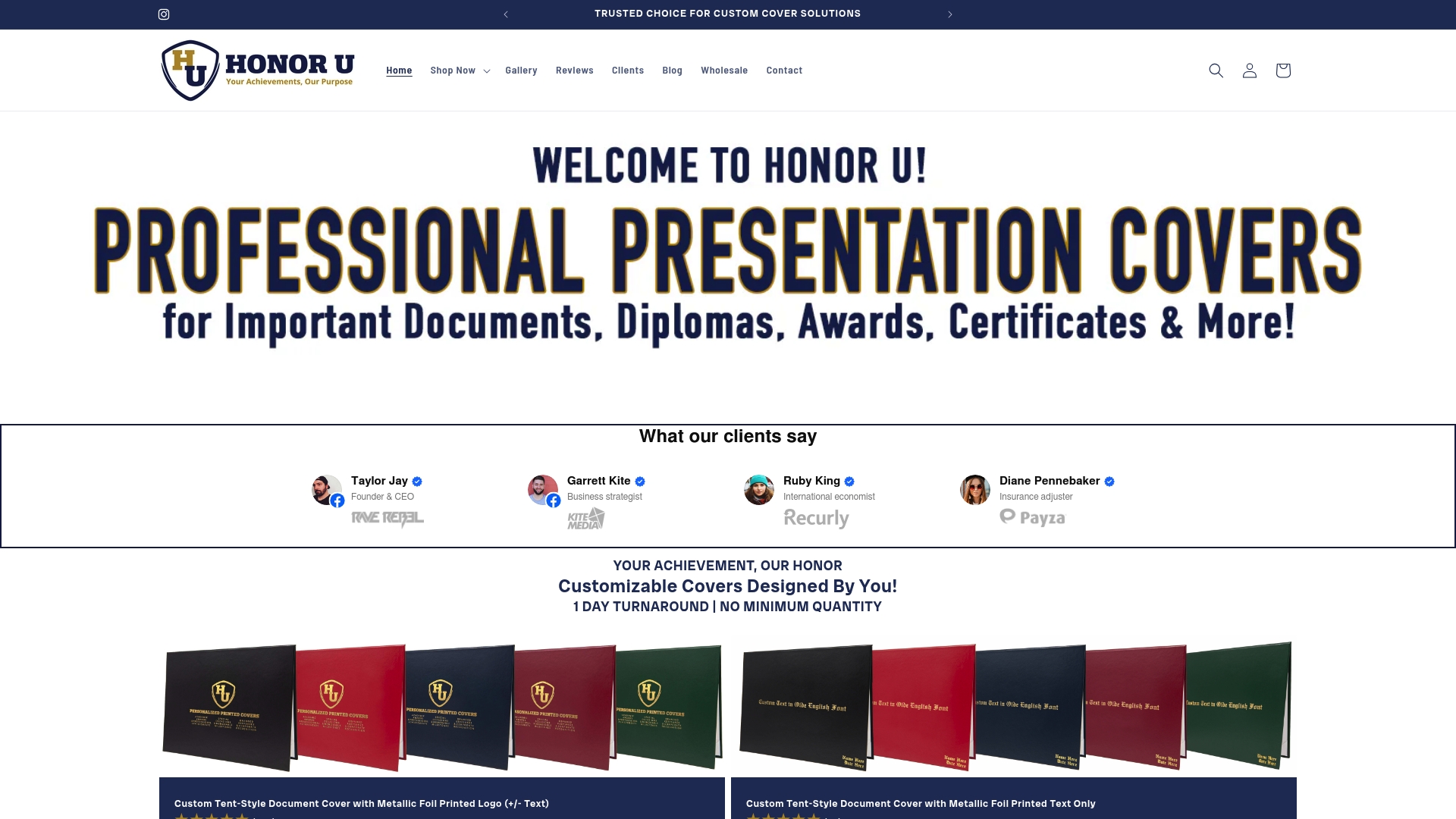
The Classic Diploma of Graduation Tent-Style Document Cover delivers a premium, heirloom-quality presentation for graduation diplomas, featuring metallic foil printing and a tent-style display format that stands upright on any desk or shelf. For ceremonies tied to a specific graduating class, the Graduation Year Class of Tent-Style Document Cover adds a personalized year imprint that anchors the award to a specific milestone. Both products ship the next business day, so your ceremony timeline never waits on production delays.
FAQ
Why does presentation quality affect how awards are perceived?
Presentation quality signals the organization’s investment in the recipient. Physical awards with premium materials and dignified packaging activate stronger emotional responses than plain or digital alternatives, making the recognition feel deliberate and meaningful.
What is the most important element of effective award presentation?
The handover moment is the most critical element. A specific, personal acknowledgment delivered in front of peers, paired with a well-designed physical award, creates a stronger and more lasting impression than any single design choice.
Do physical awards outperform digital certificates in recognition programs?
Physical awards retain visibility and emotional recall far longer than digital certificates. PDF certificates often go unseen within weeks, while a displayed diploma or certificate folder reinforces the achievement daily.
How can organizations improve award presentation without large budgets?
Organizations can improve presentation significantly by using professional certificate holders, training presenters to deliver specific acknowledgments, and coordinating physical delivery with public recognition. No-minimum suppliers like Wehonoru make premium presentation accessible at any order size.
What role does personalization play in award presentation?
Personalization transforms a generic object into a meaningful artifact. Awards that include the recipient’s name, the specific achievement, and the date are kept and displayed far longer than generic trophies, according to research on tangible recognition psychology.
Recommended
Taylor Pace writes Honor U guides. Blair Black reviews them. Honor U sells empty covers and holders.